
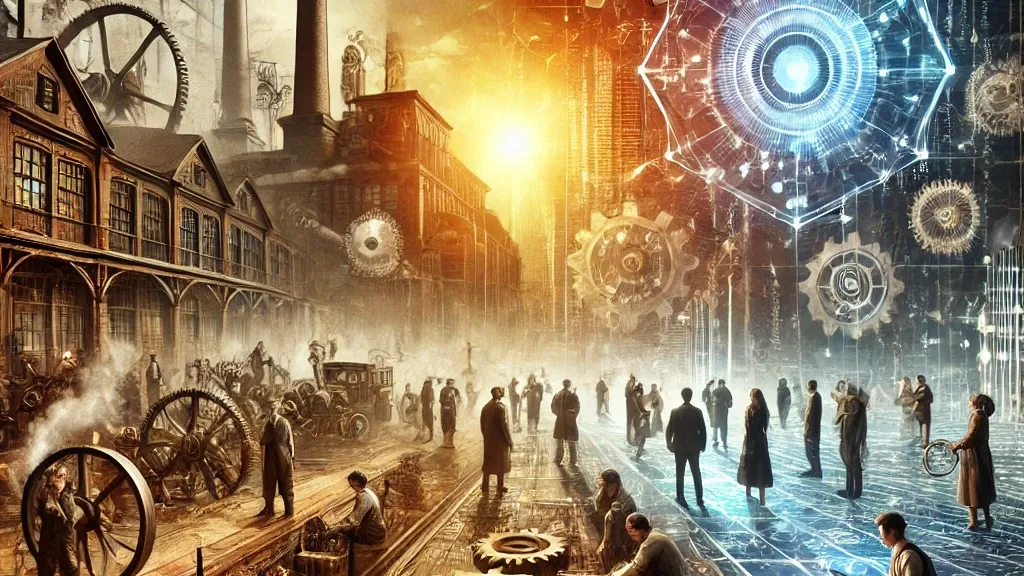
The industrial revolutions have reshaped the fabric of human civilization, pushing the boundaries of innovation that have redefined every aspect of our lives. From the mechanization of the first industrial revolution to the digital age, each transformation has not only revolutionized industries but also altered the way we interact with the tools that define the world we live in.
As with the advance of the industrial revolutions, the software interface (UI) is no different and has also evolved over time and become an integral part of our lives. These shifts in technology have paved the way for more intuitive, user centric designs that reflect the evolving requirements of our world. This article discusses the interconnectivity and transformative powers of technology and its impact on knowledge, society and digital tools.
The Industrial Revolutions
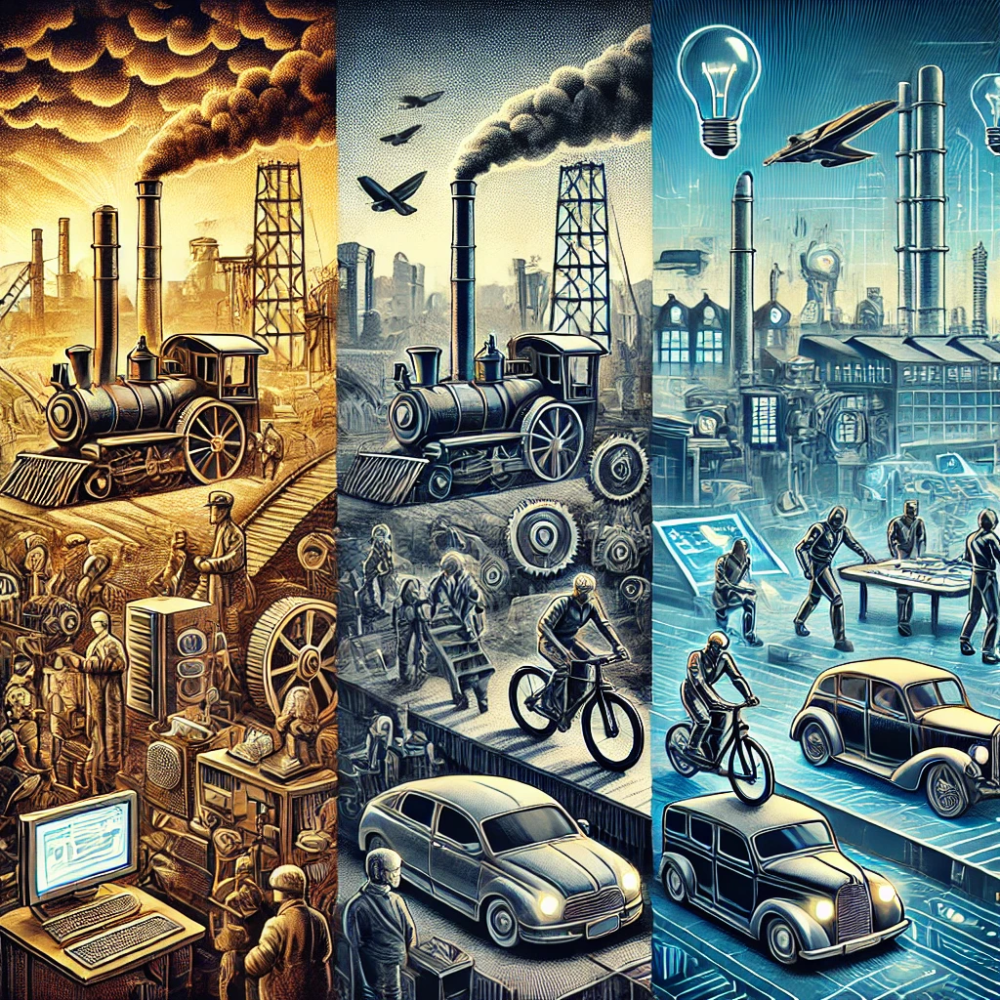
Let’s first start with a brief recap of the technological innovations that have led up today. The industrial revolutions marked turning points in human history:
- The First Revolution used steam power to mechanize industries, shifting societies from agrarian to industrial.
- The Second Revolution introduced electricity, enabling mass production and transforming how we live.
- The Third Revolution introduced electronics, computers and automation, laying the groundwork for today’s digital world.
Now, we stand on the beginning of the Fourth Industrial Revolution, defined by AI, automation and seamless integration of technology into our daily lives.
Each leap forward has deprecated jobs while at the same time create new opportunities, raising the literacy rate, spreading knowledge worldwide and empowering the average person through increased access to technologies.
The Simplification of UI Designs Over Time
The evolution of technology has brought about significant changes in the design of software user interfaces (UI). Early UIs were complex, requiring a specialized knowledge to navigate. Today, the focus is on simplicity and intuitiveness. Usr Experience (UX) Designers strive to create products that are user-friendly, reducing the mental acrobatics required to interact with technology.
In the modern era, the rise of all-in-one applications has transformed how we interact with technology. Whether it’s managing finances, communicating with friends, or booking travel a single app can now handle multiple functions, streamlining our digital lives and enhancing the user experience.
The Smartphone Revolution in Apps
Just when we thought that we had reached the crescendo of technology, the rise of smartphones became a fully blown digital portable one-stop-shop. Apps have reshaped industries, bringing entertainment, healthcare and countless other services to our fingertips. This revolution raised the bar for user expectations and instant gratification, driving innovation while further addicting us to and increasing our reliance on technology.
Clear and Repeatable Process App Designs
Successful apps are often known for their simplicity and consistency. A clear workflow and repeatable processes ensure that users can interact with products efficiently. This design philosophy has led to intuitive apps that minimize friction, allowing for seamless user experiences (UX).
The Modern Software Application
As technology continues to advance, people today are expected to have a basic or baseline understanding of technology, from using smartphones to navigating digital platforms. This broad understanding forms the foundation for adapting to new technologies and integrating them into our lives. As new technologies emerge, the role of the modern application continues to evolve, adapting to new needs and user expectations.
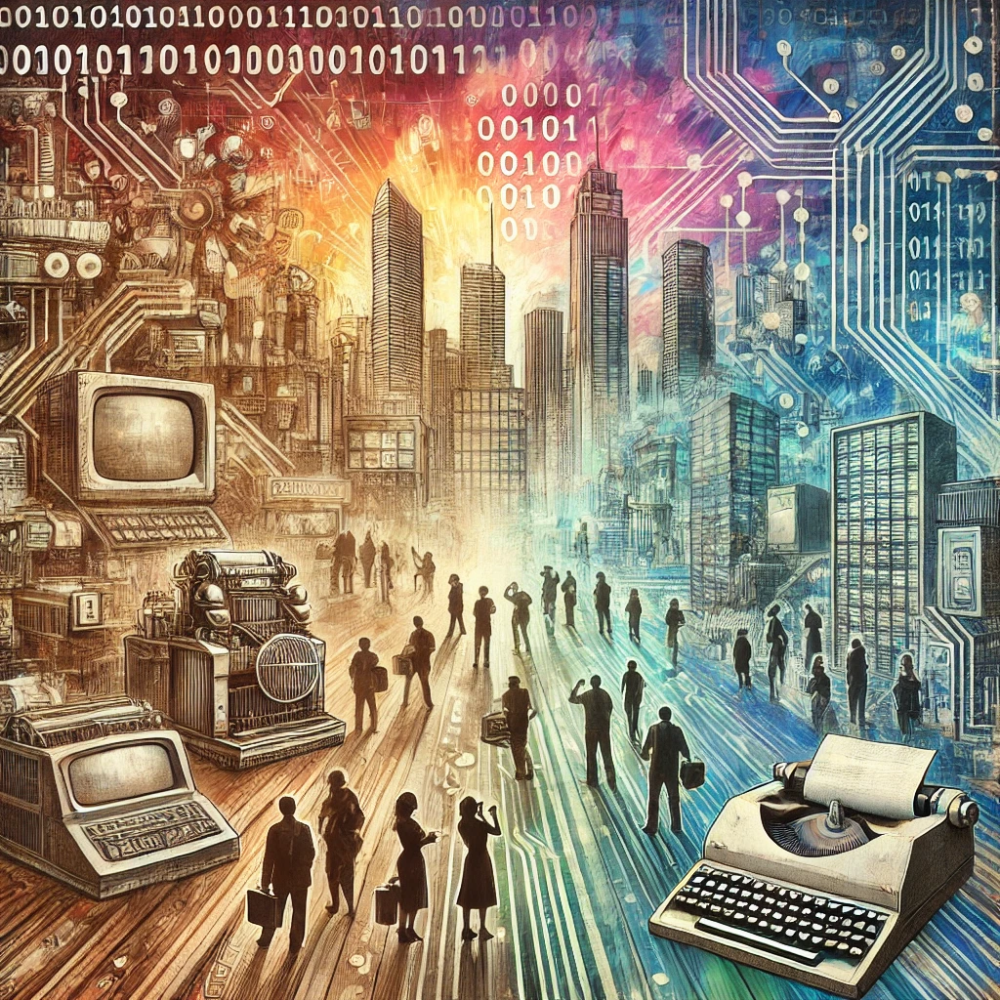
The progression of technology creates new rules that shape how we interact with machines. These include user instant gratification, seamless experiences and intuitive designs. The increasing reliance on technology means that these expectations are growing and failure to meet them can lead to user dissatisfaction.
Challenges in Rapid Innovation
While technology has advanced rapidly, it hasn’t been without setbacks:
- Unfinished Buggy Products: Speed-to-market often results in products launched with bugs, requiring post-release patches and updates.
- Rising Expectations: The demand for faster, smarter systems has created pressure on developers to continually innovate.
- Technology Addiction: From social media to gaming, dependence on devices has led to reduced face-to-face interactions and critical thinking.
Apps for All and All for Apps/IOT
As if all that was not enough we now have a new trend sweeping the world, Internet of things (IoT). IoT has made it possible to control devices and systems remotely. From smart homes, to health monitors and even running shoes, IoT is revolutionizing industries and daily life.
Simplification and User-Centeric Design
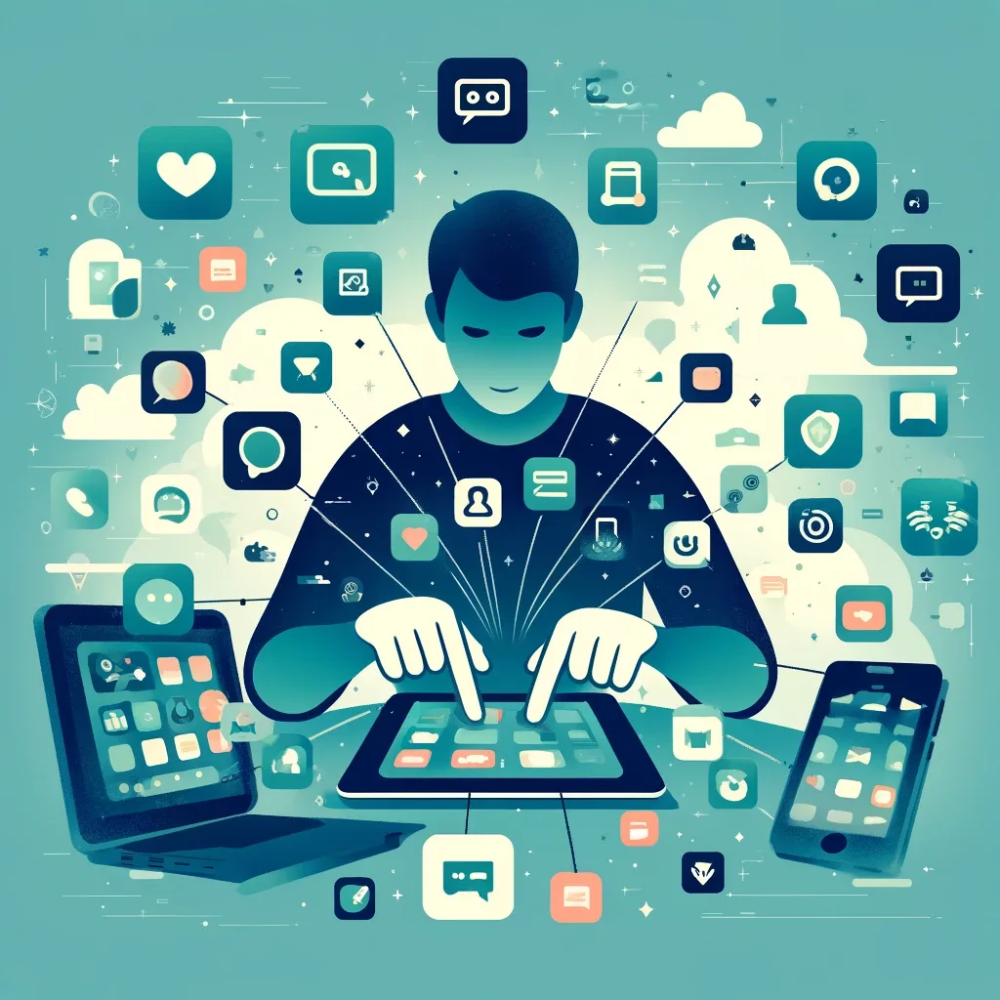
To make technology accessible, companies have standardized user interfaces, reducing friction across platforms. UX Designers now account for diverse user personas, differing in age, culture and tech proficiency, to create amazing product user experience.
Gamification and Engagement
Gamification has revolutionized software application engagement, using rewards and/or alerts to trigger task competition and to make technology more enjoyable. Simulations now rival real-world experiences, merging entertainment and education in groundbreaking ways.
Practical Implementation of these Principles
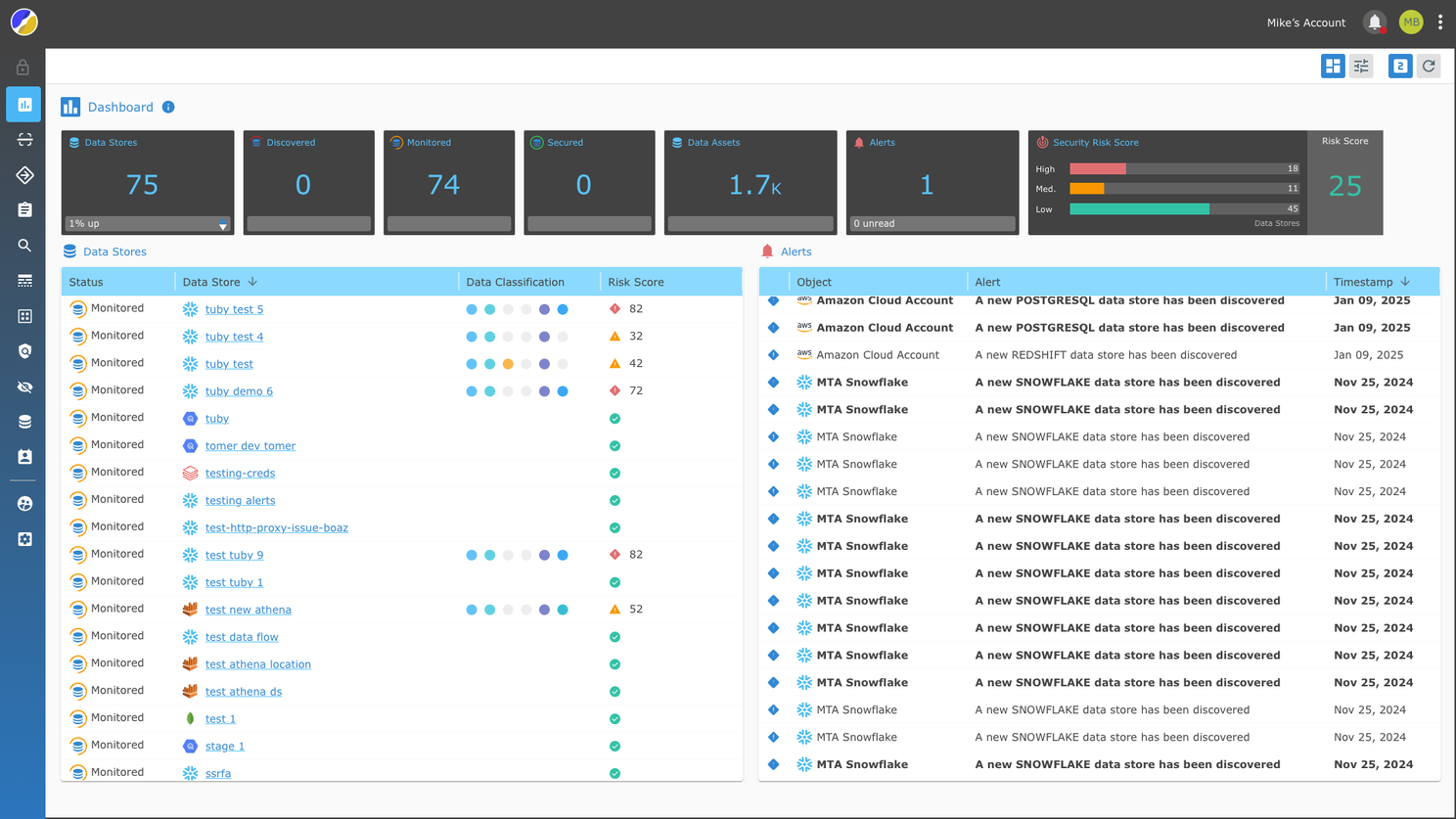
By utilizing the principles of gamification and engagement I have designed a new product dashboard interface and its subviews for the Satori Cyber Data Security Platform. The dashboard focuses the user attention on three core areas of data stores deployed in a cloud environment; the risk score, the status levels, and the KPIs.
Satori Cyber – Data Security Platform
Satori Cyber’s dashboard transforms data security management into an engaging and intuitive experience by leveraging gamification and user engagement. Instead of a static security tool, the platform encourages proactive security improvements through interactive elements, progress tracking, and visual feedback.

At its core, the dashboard presents risk scores, status levels, and KPIs in a way that feels dynamic and rewarding. Users see their organization’s security posture evolve in real time, with clear objectives for improvement.

Data stores transition through different status levels from Discovered to Monitored to Secured, creating a sense of progression. Achievements—such as reducing risk scores or implementing governance policies, reinforce positive actions and motivate teams to take ownership of data security.
The alerts system also plays into engagement, offering real-time feedback on threats and system issues, encouraging users to resolve them promptly. By making security progress visible, measurable, and rewarding, Satori keeps users invested in continuously strengthening their organization’s data security. Learn More about the Satori Data Security Platform.
Human-Machine Interaction in the Modern World
As technology continues to evolve, it is raising the human technological baseline understanding of human machine interaction. What was once revolutionary has become ordinary today. Each advancement brings with it change, society adapts, pushing boundaries while dealing with new challenges.
The journey of technological evolution is far from over and its impact on humanity will continue to unfold in unforeseen and profound ways. While the constant improvement of software user interfaces can increase efficiency and accessibility, they also raise ethical, social and psychological concerns. The relationship between humans and machines (software UI) will continue to evolve, shaping the future of society.
Go to the Original Article
Related Articles
I have utilised various techniques to build my product solutions, such as product strategy, design techniques and agile methodologies described throughout a series of related articles.
If you wish to expand you knowledge on some of these topics use the following links to learn more about how to understand, plan and execute a product strategy for your company.
How to Design a Product Dashboard
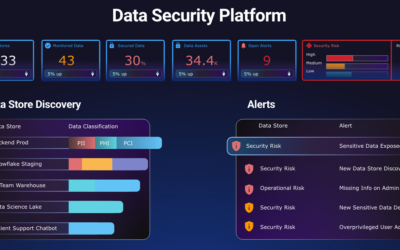
A product dashboard is a single pane of glass where users can visually track a products KPIs (Key Performance Indicators). The dashboard allows users to monitor the health of a business, analyze processes and access actionable insights. A dashboard provides a...
UI Component Types
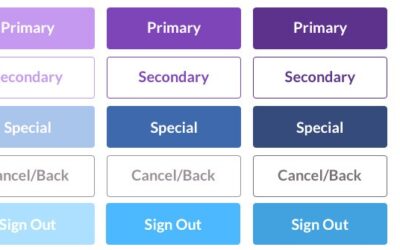
The objective of each UI component is to facilitate a specific task, enhance the design efficiency and provide user satisfaction. The user interface elements also include the page and screen dimensions as the starting point which define the user interface real estate....
Pixel Accurate UX Designs
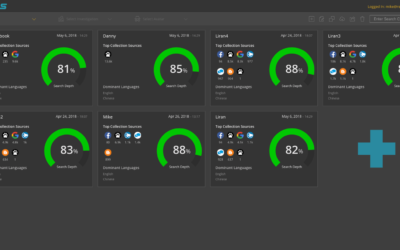
When designing a new product UI, I alway try to employ the K.I.S.S method, of "keep it simple stupid", it hasn't failed me yet. If on the other hand you have no choice but to create a new custom control then provide the developer with a "pixel accurate" screenshot...
Recent Comments